
The Importance of EV Charger Testing for Safety and Compliance
Electric vehicle (EV) chargers are becoming increasingly commonplace in our everyday lives. If we haven’t got a home charger on our driveway at home, we might have access to one at work, or we might pass some public chargers on the street, or see some chargers installed in car parks at the supermarket, leisure centre, retail park or service station. The charging infrastructure in the UK is increasing all the time because convenience and lifestyle choice is essential to the successful operation of EVs. This means we need to have choice and to have the option of charging at the most convenient times and when charging rates are cost-effective. But alongside this public and private charging network is an important need for safety and compliance.
An EV charger is an electrical installation that supplies high currents, and sometimes at a rapid rate. Due to high demand and frequent use, it can experience excessive wear and tear and is often exposed to extreme weather conditions. Any electrical installation is subject to routine inspection and testing, but these additional factors highlight the importance of commissioning and regular maintenance of EV chargers.
The testing and inspection of EV chargers
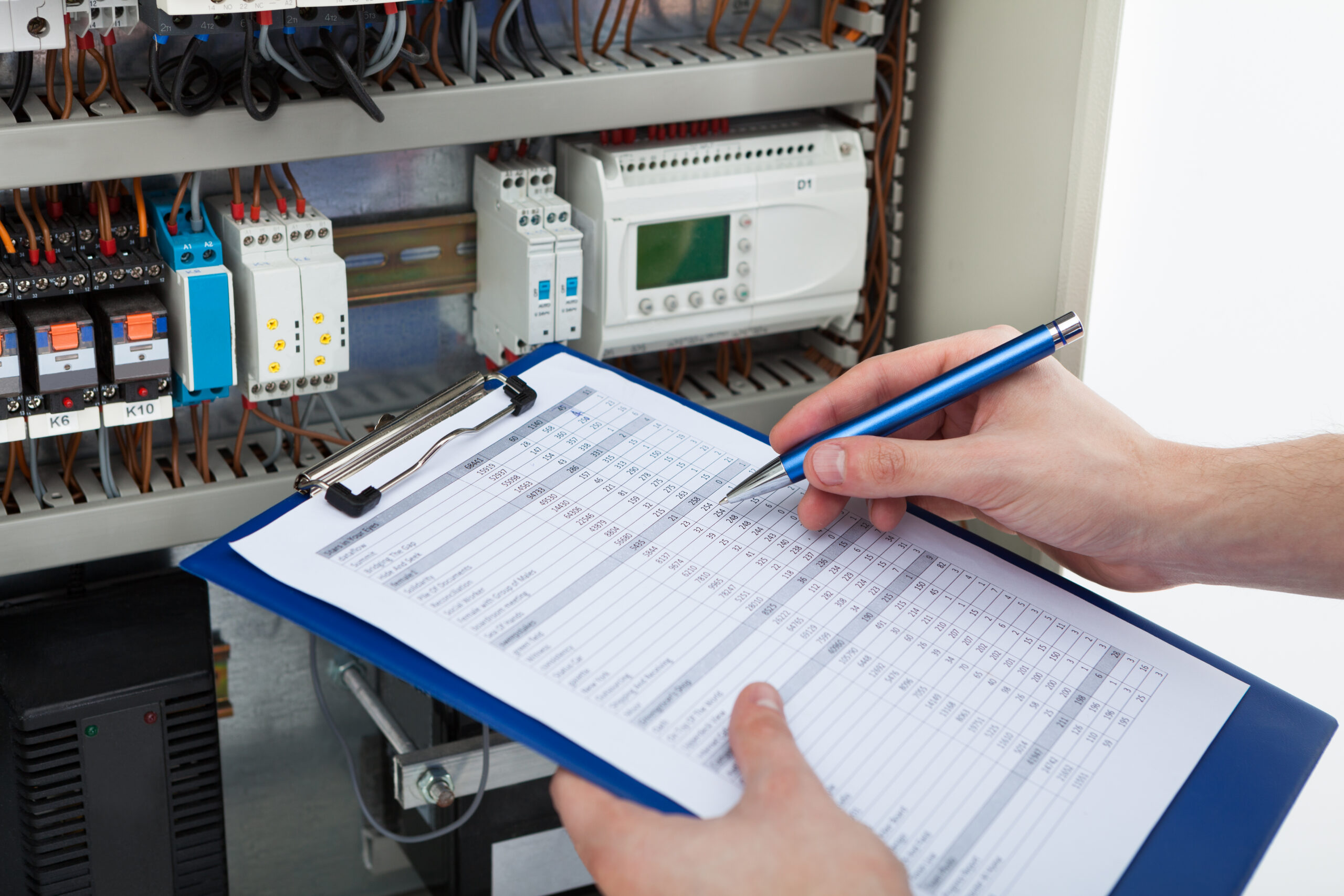
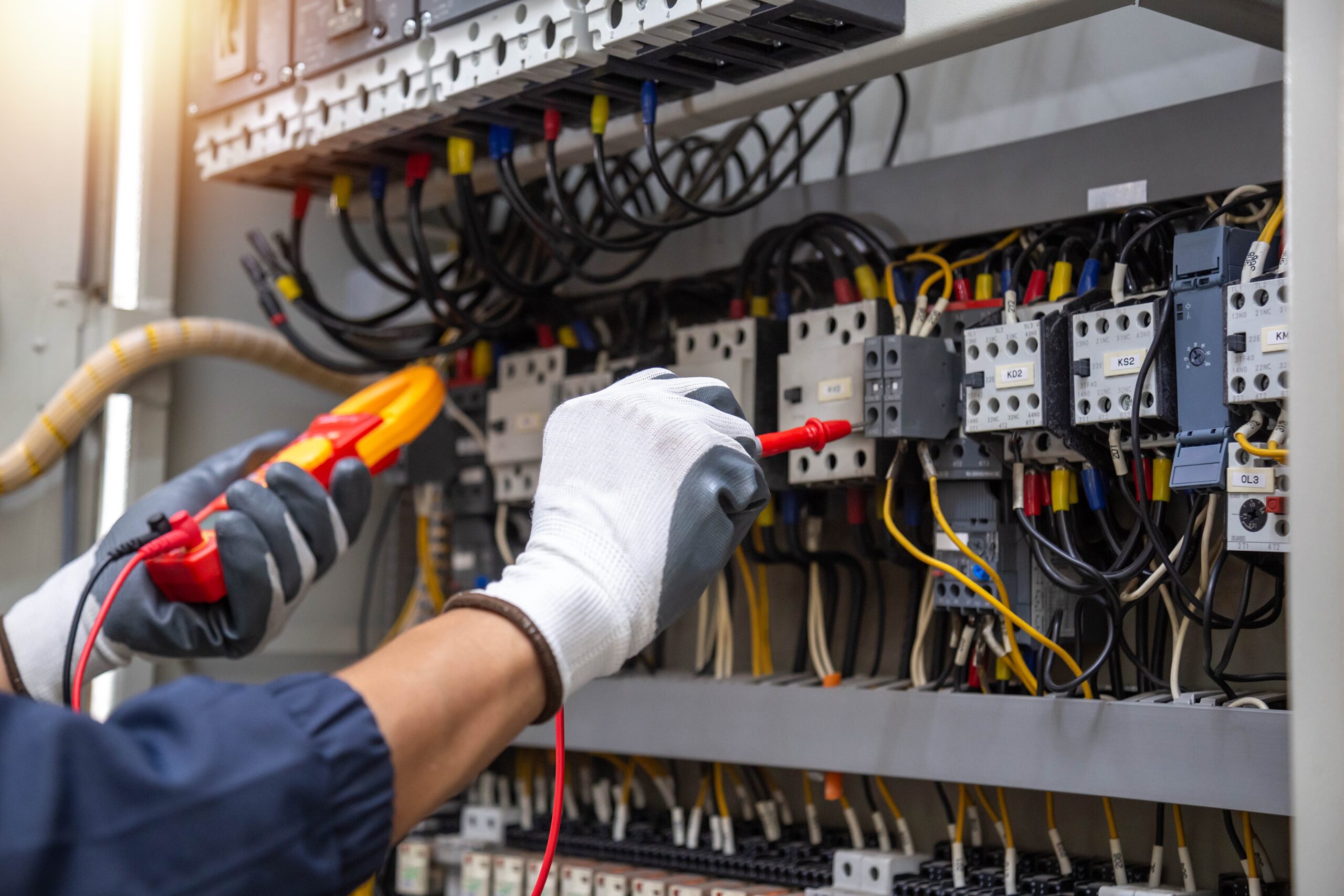
The process for commissioning and routinely testing EVSE (electric vehicle supply equipment) involves using testing equipment that mimics the presence of an EV at the charger. Therefore, it is not necessary to have an EV present in order to test an EV charger. This installation commissioning and testing process then involves:
- Visual inspection of the installation, including signs of wear and damage of cabling, connections and earthing.
- Load tests to confirm correct operation.
- Electrical safety tests including earth loop impedance, RCD testing, phase sequence testing, continuity and insulation resistance testing.
- Identifying faults and recommending corrective actions for these faults.
- Formal reporting.
The benefits of EV charger testing
Installation of public and private EV chargers has to comply with the requirements of BS7671, but there are multiple other benefits to a comprehensive testing and inspection process for EV chargers:
- Compliance – Adequate commissioning, inspection and testing ensures compliance with the requirements of BS7671 wiring regulations and other industry regulations.
- Fire safety – There are multiple potential fire hazards connected with the high currents delivered by EV chargers. Inspection and testing guards against these fire hazards if an installation is not carried out properly or if a part of the installation has failed.
- Safety device protection – Inspection and testing will protect the various safety devices within an EV charger installation. This can include RCDs installed to protect users and to shut the system down if there is DC current leakage. This also ensures there is suitable and sufficient insulation resistance in the cabling, and an effective earthing system for diverting excess and dangerous currents.
- Funding – There are various Government schemes in place to subsidise the installation costs of EV chargers in order to encourage their use, and it is sometimes a requirement of this funding that suitable and regular testing and inspection takes place.
- Value – Identifying maintenance issues early and applying preventive maintenance can extend the lifespan of EVSE and ensure you get value for money from the installation.
- Reliability – As well as extending the lifespan of EVSE, inspection and testing also ensures the system is reliable and operating efficiently, so you are getting charge delivered at the rates and convenience you need it.
- Insurance – It can be a requirement of insurance policies that there is a suitable and sufficient inspection and testing process in place. This will produce a documented history and an audit trail that is required in routine health and safety and insurance audits.
Professional EV charger testing from Apardion
Apardion have resources stationed all across the Scotland region and have become one of the most reliable and effective commercial electrical contractors in Edinburgh as well as developing a reputation for professional commercial electrical testing in Aberdeen. We can help and support your electrical compliance wherever you are in Scotland, and that includes with the commissioning and routine testing and inspection of electrical vehicle chargers.
We can design a robust system for routinely testing and inspecting your EVSE to ensure your regulatory compliance and to safeguard your personnel and equipment from the risks of fire and electric shock. You have invested heavily in EVSE to ensure your fleet EVs operate effectively and that employees can charge their EVs at their convenience, but there are significant safety implications which ensure you have to have these systems routinely tested and inspected. Contact our team at Apardion today.