The Cost of Ignoring Electrical Testing in Commercial Properties
Electrical testing probably isn’t the first thing on your mind when running a business. There are staff to look after, customers to keep happy and plenty of other jobs competing for your attention. If everything seems to be working, it’s easy to put another inspection off for a few months.
The trouble is that electrical problems aren’t always obvious. A faulty cable, worn wiring or damaged appliance can go unnoticed until something stops working or, worse, puts someone at risk.
For businesses across Scotland, leaving electrical testing too long can end up costing more than simply getting the checks done. Here’s what you need to know about PAT testing, EICR inspections and why they’re worth making time for.
What Could Happen If You Don’t Test Your Electrical Systems?
Most electrical problems don’t announce themselves. Wiring gets older, connections loosen and equipment takes a bit of a battering from everyday use. You might not notice anything wrong until a socket stops working, equipment breaks down or a fault causes a power cut.
And that’s when things can get expensive. As well as the cost of repairs, you could be faced with replacement of damaged equipment or disruption to your business. Depending on the problem, staff might not be able to work as normal, and customers could be affected too.
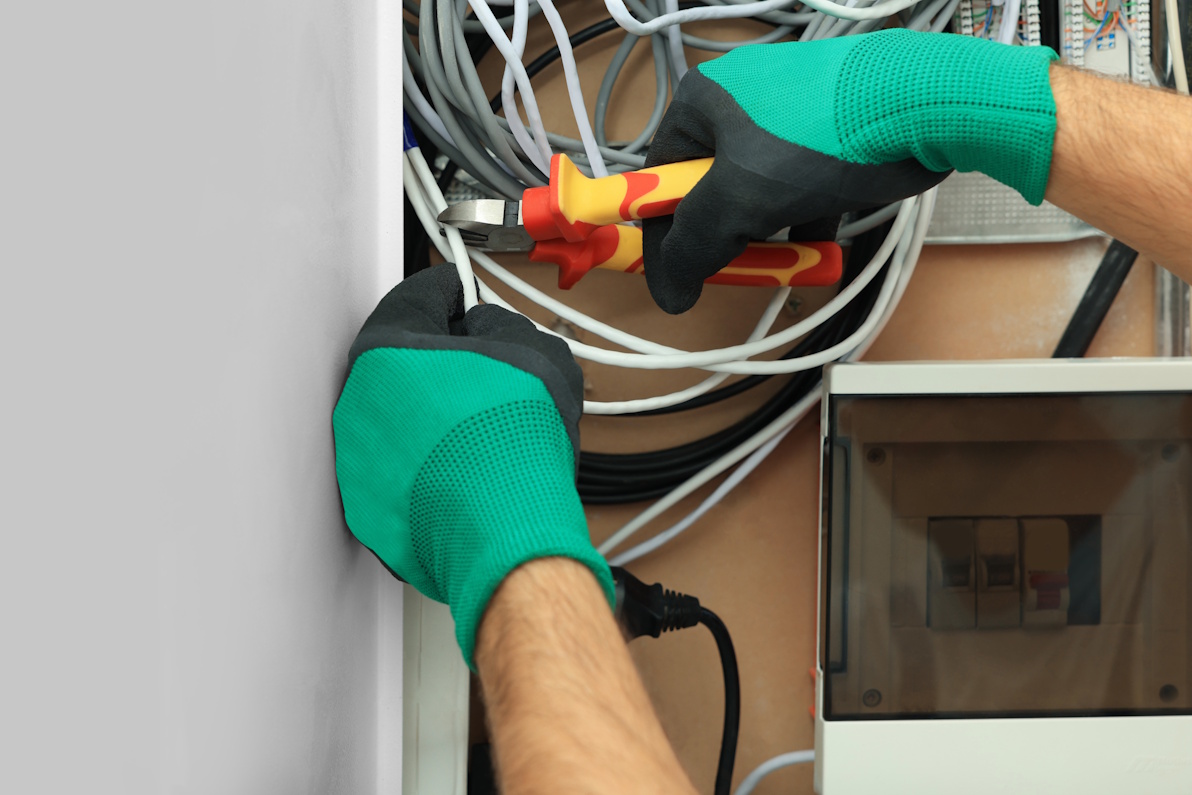
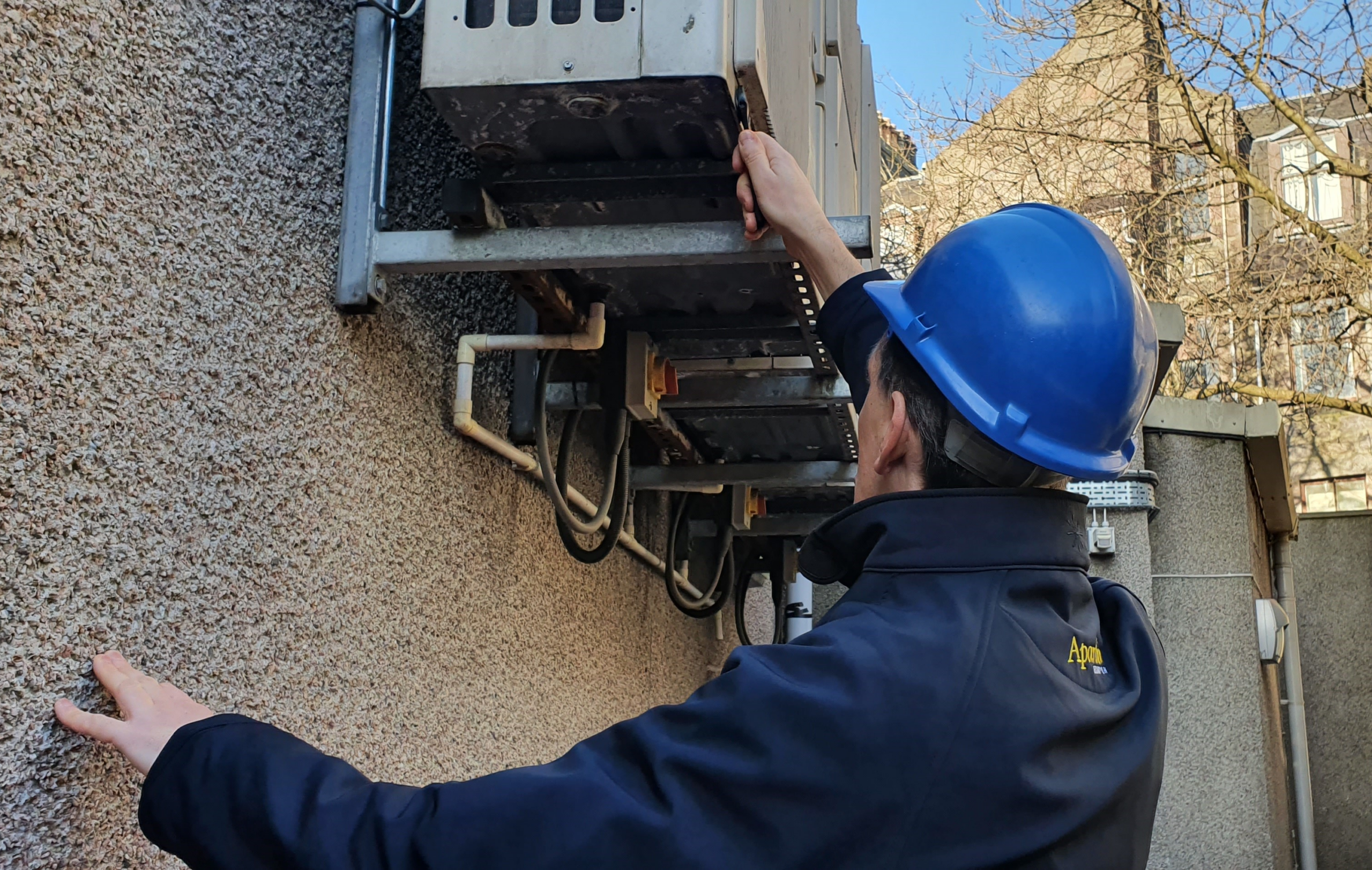
Routine checks of the electrical systems can help catch problems before they become bigger jobs. Commercial electrical contractors in Edinburgh, Aberdeen and surrounding areas have the experience to get things sorted if you need any repairs or upgrades done.
PAT Testing: Are Your Workplace Appliances Safe?
Take a look around your workplace. How many electrical appliances are plugged in right now? Computers, printers, kettles, microwaves, extension leads and tools all get used regularly, and it’s easy to forget that they need checking too. Cables can become worn, plugs can get damaged and appliances can develop faults, particularly when they’re used every day.
That’s where Portable Appliance Testing (PAT) comes in. It involves checking electrical appliances to help identify anything that might be unsafe. This can include a visual inspection and electrical tests where appropriate.
Is PAT testing a legal requirement in Scotland?
There is no law that requires every business to have its appliances PAT tested annually. But employers have a duty to ensure electrical equipment is safe to use and properly maintained. PAT testing is one way to help meet those responsibilities.
If it’s been a while since your workplace equipment was checked, searching for PAT testing services in Aberdeen, Edinburgh and nearby areas is a good place to start.
When Did You Last Have An EICR Inspection?
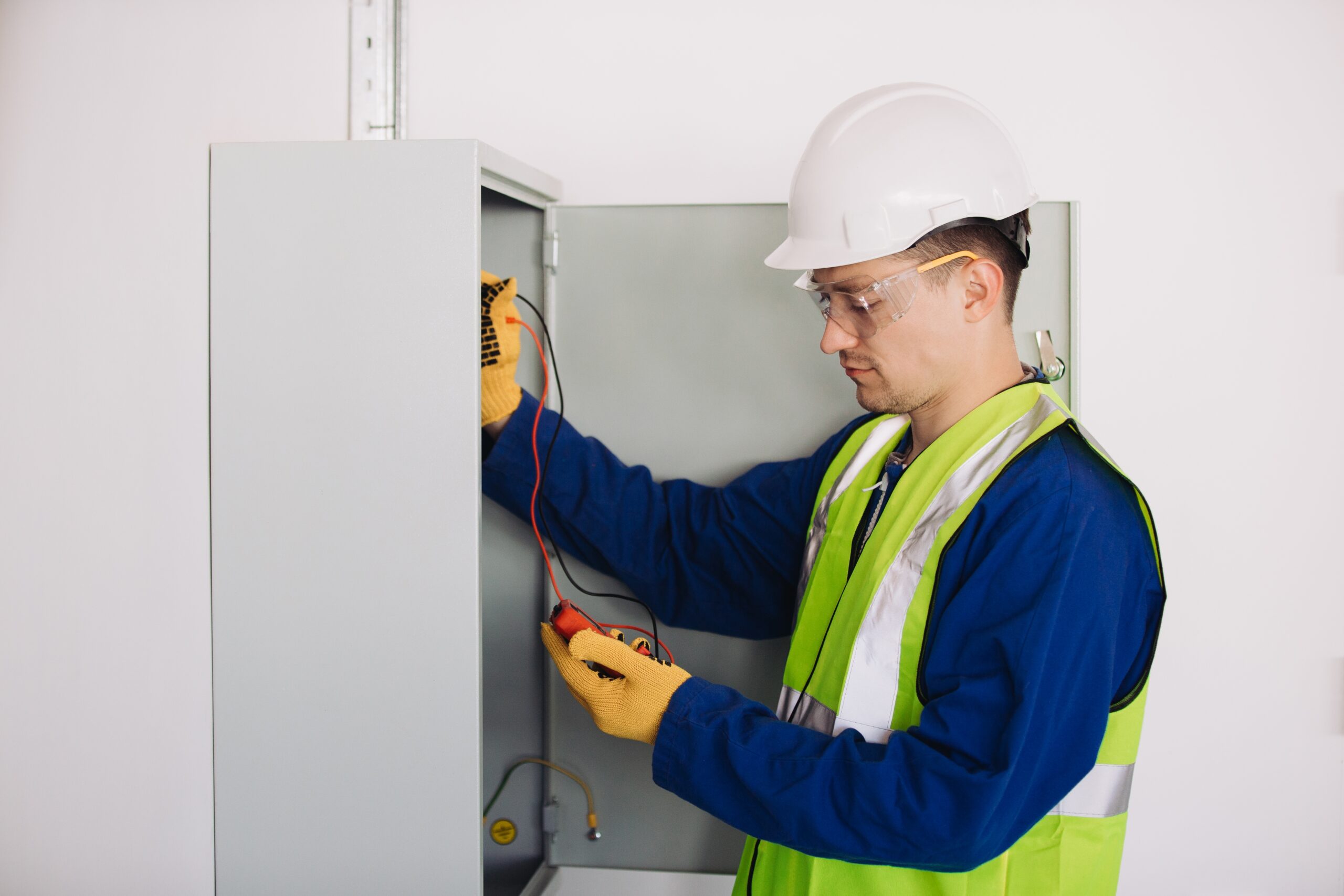
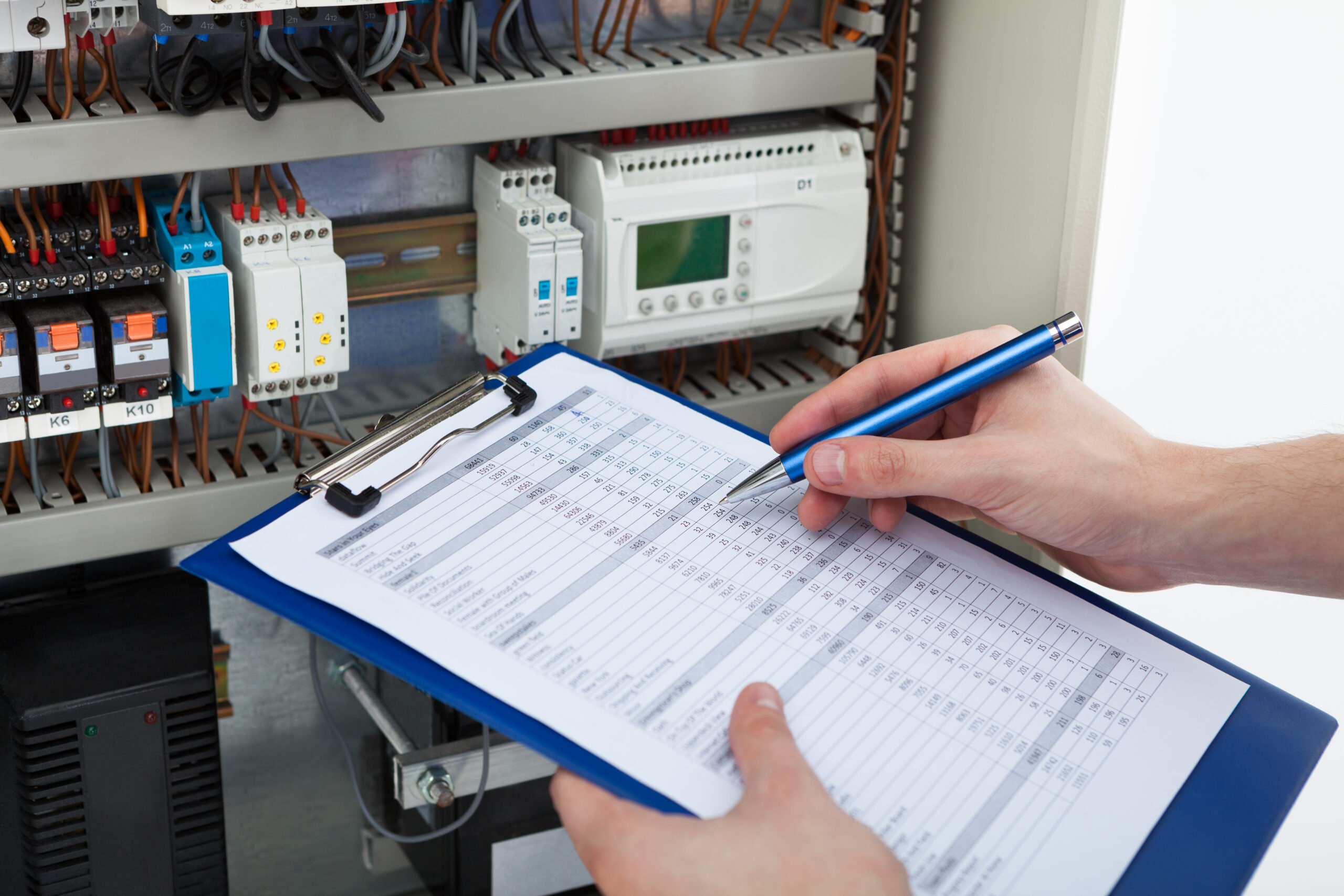
If you can’t remember when your property’s electrical installation was last checked, it’s probably worth finding out. An Electrical Installation Condition Report (EICR) records the inspection and testing of a building’s fixed electrical installation. This includes wiring, sockets, switches and distribution boards.
The purpose of the inspection is to find damage, deterioration and other problems that could affect electrical safety. If there is anything to be addressed, it will be flagged up in the report, and the relevant work can be organised.
How often should an EICR be carried out?
It depends on the type of property and how it’s used. For commercial and industrial premises, a good general rule is to have an EICR every ten years, but more frequent inspections may be required in places where there is a greater risk of electrical faults or deterioration.
Landlords who rent out residential properties in Scotland must have electrical safety inspections at least every five years.
If you are responsible for a commercial property, it is worth finding out when the last inspection took place rather than assuming all is still in good repair.
What If Your EICR Report Finds A Problem?
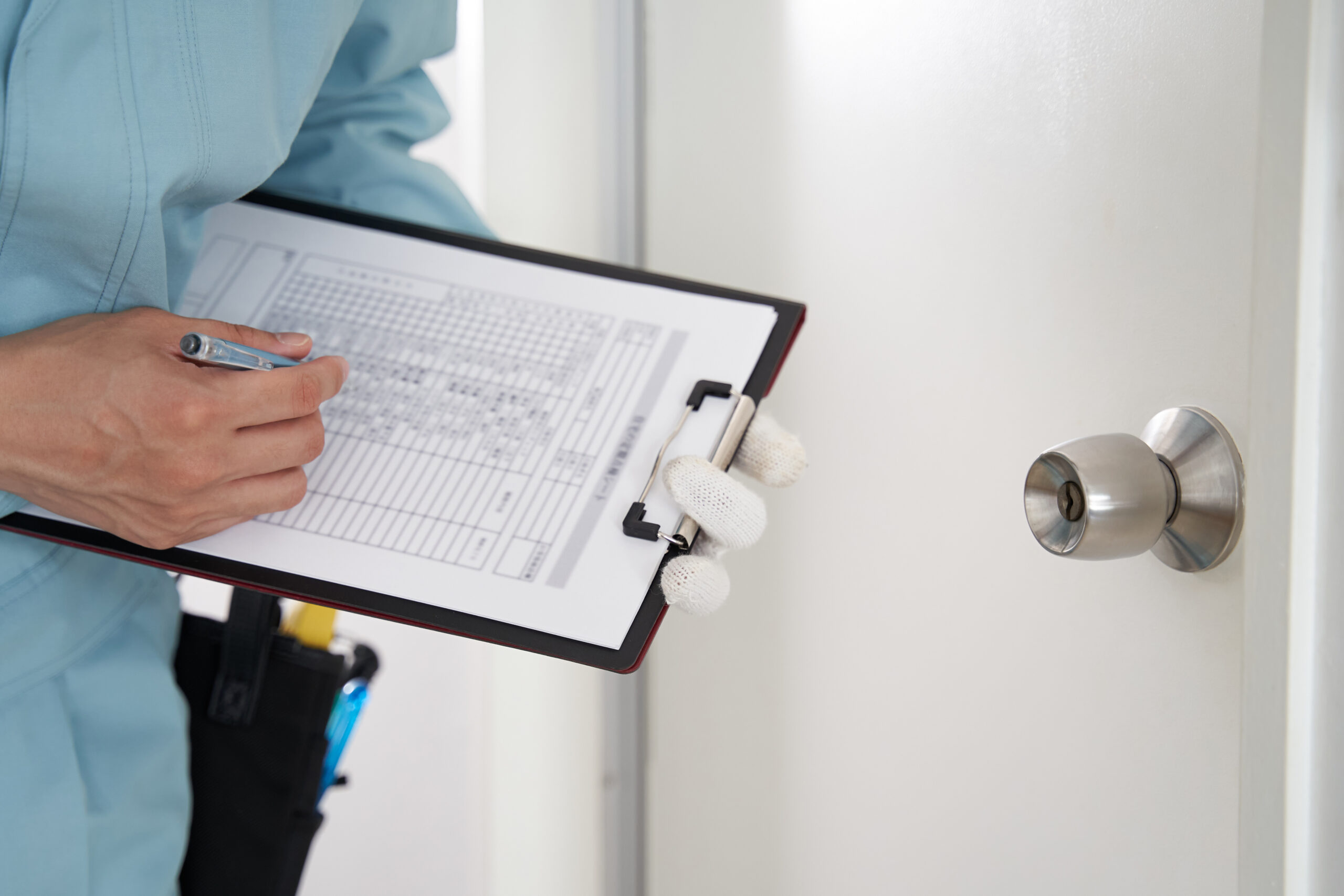
An EICR isn’t just a case of pass or fail. The report will list any problems found during the inspection and the severity of the problems.
Some issues might need further investigation, while others will require urgent attention.
You’ll usually see a coding system in the report:
- C1: Danger is present and immediate action is needed.
- C2: A potentially dangerous issue has been identified and urgent remedial work is required.
- C3: Improvements are recommended, but the issue isn’t classed as immediately dangerous.
If your report flags up any problems, don’t just file it away and forget about it. Make sure the necessary work is arranged and keep a record of any repairs or improvements carried out.
Has Your Business Outgrown Its Electrical Installation?
Electrical maintenance and repair requirements can change quite a bit as a business grows. Maybe you’ve added more workstations, brought in new machinery or changed the layout of your premises. If you are always using extension leads, finding you don’t have enough sockets or keep having electrical problems, it may be time to look at what you currently have.
A new electrical installation or a few well-planned improvements could make every day working life much easier.
Don’t Wait For An Electrical Fault To Remind You
It’s easy to put electrical testing off when there are no obvious problems. But waiting for something to break can mean higher repair bills, unnecessary disruption and avoidable safety risks. Take a few minutes to check when your electrical equipment was last PAT tested and when your building last had an EICR. If you’re unsure, or you know some checks are overdue, now is a good time to get them arranged.
Apardion provides security and facilities management services for businesses across Scotland, including electrical testing, inspections and commercial electrical installations in Aberdeen, Edinburgh and the surrounding areas. Getting these checks sorted might not be the most exciting job on your maintenance list, but it’s certainly one worth doing.